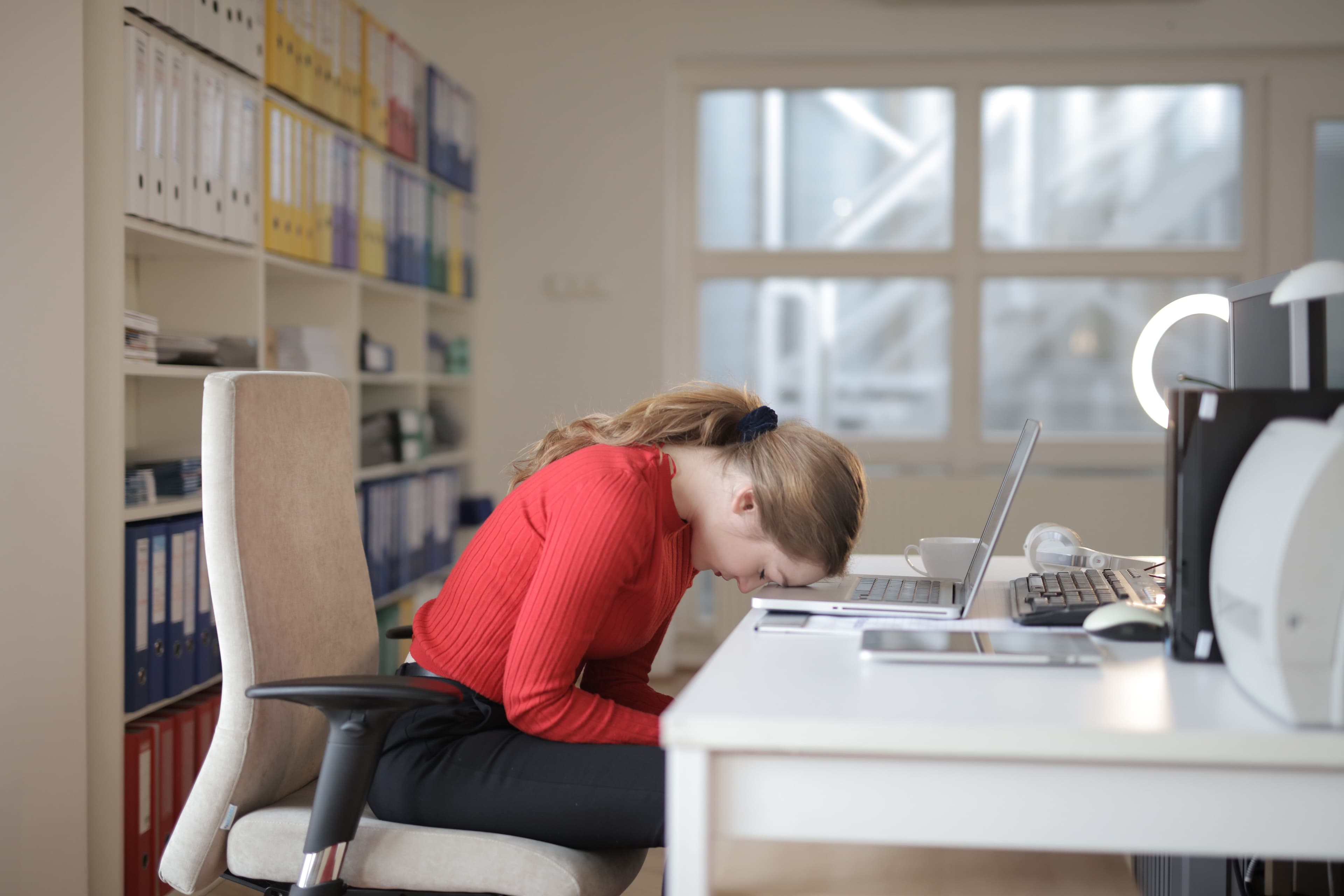
You are likely wondering about dehydration statistics to understand how common this issue is for people sitting at a desk. Recent research indicates that a significant portion of office workers struggle to maintain adequate hydration levels throughout their workday. This guide breaks down the exact numbers regarding water loss and fatigue, translating them into simple checks you can perform right now. Whether you are managing a busy schedule or feeling sluggish, these facts help you recognize the signs before they affect your focus.
Key takeaways:
- Nearly half of all women and most men in France do not meet daily water recommendations.
- Just losing 1.4% of body water can lower your mood and make tasks feel harder.
- Office workers face higher risks of neck pain and dehydration compared to other roles.
- Short movement breaks can drastically reduce blood sugar spikes and improve energy.
1. How Common Is Dehydration Among Office Workers?
You might assume you are hydrated because you do not feel thirsty, but research shows the opposite is often true for people sitting at desks. A 2023 meta-analysis found that about 1 in 4 older adults living at home or in care were dehydrated, across 61 studies and 22,398 people, suggesting the risk exists across many environments.
The Neck Pain Connection
Office workers specifically report neck pain more than other occupations, with between 17.7% and 63% experiencing it in a given year, depending on the study. This physical discomfort is a strong signal that your body is struggling, potentially due to the strain of staying still all day.
The General Gap in Water Intake
A study of French adults showed that 72% of men and 46% of women drank less water than the European recommended amount. Remember that Europe's food safety authority sets adequate water intake at 2.0 litres a day for women and 2.5 litres for men, from food and drinks together.
Why Your Desk Routine Misses the Mark
Consider that office chairs and long sitting sessions often reduce the natural urge to drink, making these general office stats even more relevant for your specific routine. When you sit for hours, your brain stops sending the signals that tell you when you are thirsty, so you frequently forget to replenish what you have lost.
Key Signs to Check for Yourself
- Check your mouth: If it feels dry or sticky, you are likely dehydrated.
- Look at your urine: Dark yellow or amber urine usually means you need to drink more water.
- Feel your head: Even mild dehydration can make you feel tired or foggy.
For a broader context on building hydration routines alongside posture and movement, check out our complete guide to desk habits.
If you are experiencing persistent neck pain or other symptoms, consult a healthcare professional for advice tailored to your needs.
2. How Much Water Loss Actually Impacts Your Day?
Losing just 1.4% of your body water can lower your mood and make tasks feel harder than they actually are, according to a lab study of healthy young women source: Armstrong et al., Journal of Nutrition 2012 — [pubmed.ncbi.nlm.nih.gov/22190027/]. This means your brain may flag your performance as suboptimal before you even realize you are thirsty.
The Quiet Drop in Performance
Your body prioritizes critical functions like cooling and brain regulation over sending you thirst signals. By the time you notice a dry mouth, the feeling that work has become difficult has likely already started.
Why Coffee Might Not Be Enough
Think about your morning coffee while working. While it counts toward the recommended daily total, caffeine can have a mild diuretic effect. Relying solely on coffee might leave you behind the curve for optimal hydration levels.
Small, Frequent Sips Work Better
Small, frequent sips are more effective at maintaining steady levels than waiting until you are parched. This technique helps you stay in the "sweet spot" where your focus remains sharp without waiting for a crisis.
Since dehydration and poor posture often coexist, check your neck alignment regularly. Office workers report neck pain more than other occupations, and tension can mimic fatigue signals.
On cold days, you might drink less water without realizing it. Adjusting your intake schedule to compensate for lower ambient temperatures helps maintain your performance levels.
3. What Happens When You Skip the Breaks?
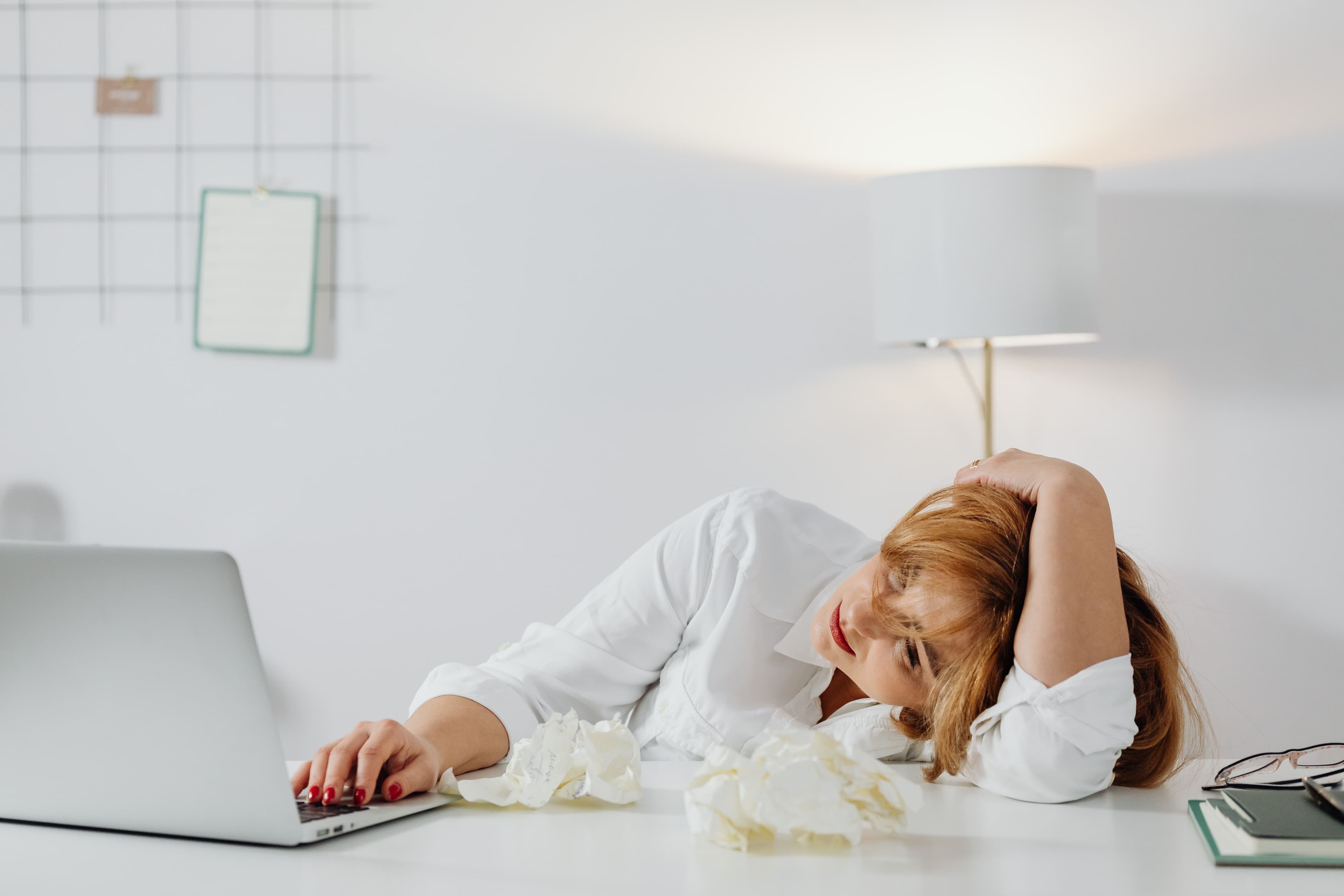
Prolonged sitting does more than just slow your digestion; it directly impacts your energy levels and mood. Research shows that walking just five minutes every half hour can cut blood sugar spikes after meals by 58% and lower blood pressure by 4-5 points compared to sitting all day source: Columbia University, 2023 — [www.cuimc.columbia.edu/news/rx-prolonged-sitting-five-minute-stroll-every-half-hour]. In the same study, every walking schedule except one minute per hour reduced fatigue and improved mood.
The Hidden Cost of Stillness
- Sluggish Digestion: Sitting still slows digestion and reduces the natural flow of lymph, which can contribute to a feeling of sluggishness that dehydration mimics.
- Mental Drain: The act of standing up to get water also resets your circadian rhythm and breaks the monotony of the workday.
Simple Physical Cues
- Set a Timer: Use a recurring notification to remind you to stand when your body feels heavy.
- Create a Trigger: Keep a glass of water in hand or place a stretch routine near your keyboard. Even a quick stretch or a glass of water in hand can serve as a physical cue to hydrate before the afternoon slump hits.
These moments of movement are vital because they counteract the physical stagnation that makes dehydration symptoms worse.
4. How to Turn These Numbers Into a Habit
Statistics on office worker hydration show that breaking bad patterns is just as important as following good advice. You can translate these findings into daily actions by using simple, low-friction tools to build consistency without relying on your willpower alone.
Turn Data Into a Routine
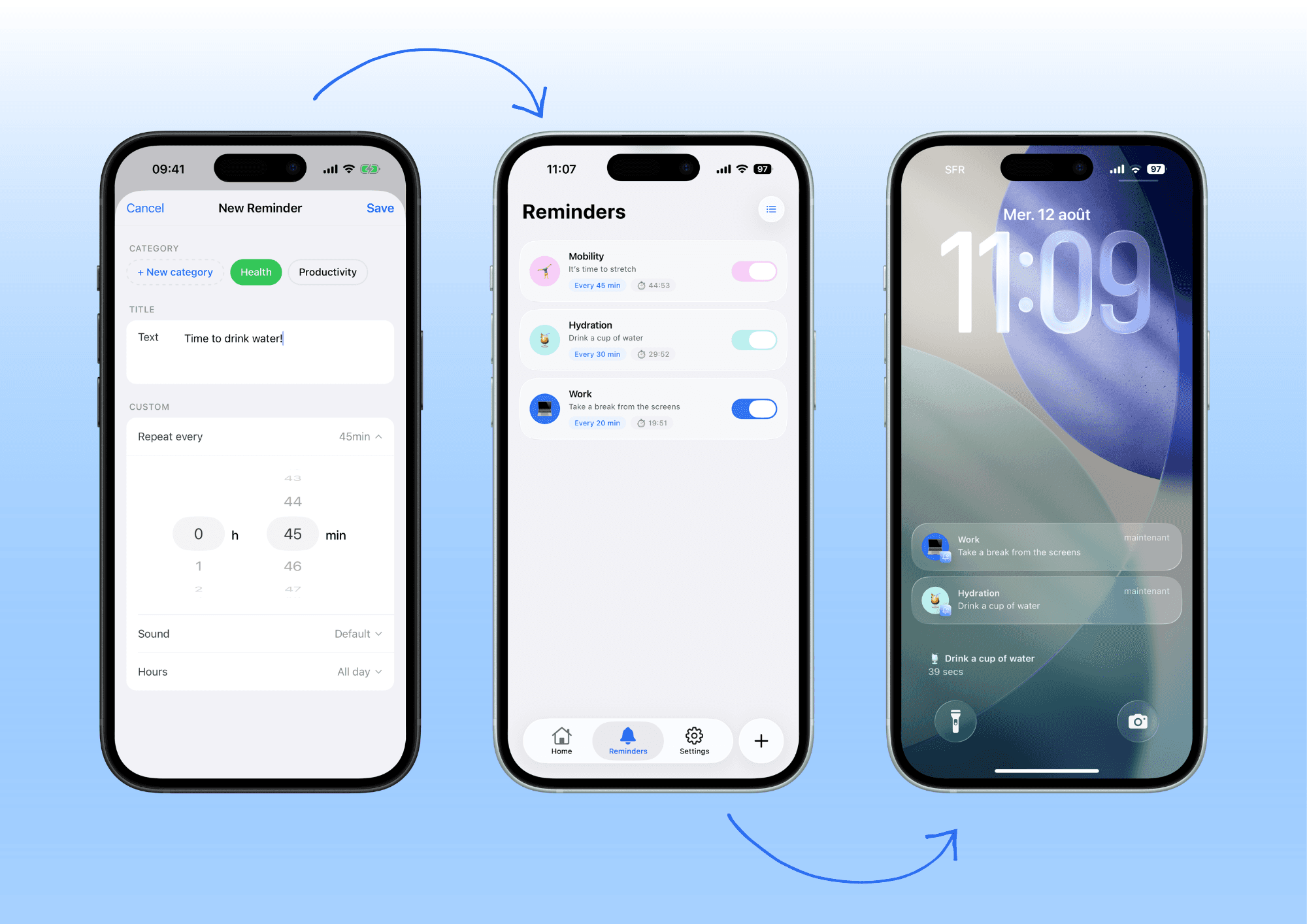
- Set a recurring reminder for every 45 minutes to check your water bottle level. This interval aligns with research suggesting movement breaks help regulate blood sugar and reduce fatigue during long sitting periods.
- Use a custom sound that matches your work environment, like a soft chime, so it doesn't interrupt deep focus. Distinctive audio cues help you notice the notification without disrupting your concentration flow.
- Group your hydration reminders under a 'Health' category with a water drop emoji for quick visual recognition. Organizing notifications by topic helps your brain prioritize what matters most during the day.
Add Physical and Digital Cues
- Place a physical marker on your desk, like a sticky note or a small plant, to serve as a visual trigger every time you look up. Environmental cues reinforce the habit when you are not waiting for a digital alert.
- Review your daily intake at the end of the day using a simple checklist in your notes app. Reflecting on your progress helps you adjust your strategy for the next morning.
For a broader context on building routines alongside posture and movement, check our complete guide to desk habits.
5. When to Seek Professional Advice
While hydration statistics highlight common risks, your body's specific signals and medical history require expert evaluation. If you experience persistent headaches, dizziness, or extreme fatigue despite drinking enough water, consult a healthcare professional to rule out other causes.
Know the Warning Signs
- Persistent Symptoms: If you are on medication, check with your doctor or pharmacist about potential interactions with increased water intake.
- Urination Changes: Sudden changes in urination frequency or color should also be discussed with a medical provider.
- Ergonomics Matter: General advice suggests raising your screen to eye level to reduce neck strain, which can improve your posture and reduce stress-related dehydration.
Contextualize Your Needs
Remember that individual needs vary based on climate, activity level, and health conditions. While office workers face specific risks, your personal environment dictates your exact requirements.
Broaden Your Routine
If you want to build a comprehensive routine beyond hydration, explore our complete guide to desk habits. This resource connects neck pain statistics from recent research to the importance of good posture for overall comfort.
Seasonal Considerations
If you work from home, cold weather can significantly lower your thirst sensation. You might not feel the need to drink even when you are dehydrated. Check out our staying active while working from home for specific strategies to maintain movement during winter months.
If your symptoms persist or you feel uncertain about your fluid intake, a professional can provide a tailored assessment that general statistics cannot replace. Speak to a doctor or pharmacist if you have persistent symptoms or take medications that affect fluid balance.
The simple version
You do not need complex trackers to stay hydrated; just a gentle, recurring prompt to drink water and stretch every half hour is enough to prevent the fatigue and mood drops linked to even mild dehydration. Pushmi handles the timing and messaging so you can focus on the actual act of drinking and moving without losing track of the schedule.
For more on how to build these routines around posture, see our common posture mistakes at desk. If you need a broader context for building hydration routines alongside movement, check out our complete guide to desk habits.
Frequently asked questions
What are the official hydration recommendations for adults?
Europe's food safety authority sets adequate water intake at 2.0 litres a day for women and 2.5 litres for men, counting water from both food and drinks combined. While this is the general guideline, individual needs can vary based on activity levels and climate.
Can I rely on coffee or tea to meet my water needs?
Yes, beverages like coffee and tea count toward your total daily fluid intake and are generally considered part of a healthy diet. However, relying on them exclusively might mean you miss out on essential nutrients found in water.
How do I know if I am dehydrated at work?
You can check by noticing if you are frequently getting up to use the restroom or if your urine has a darker yellow color than usual. Being aware of these simple physical cues helps you address hydration needs before they become a problem.
Does sitting at a desk make dehydration worse?
Yes, because sitting for long periods often means you forget to drink water, and your body still loses fluid through breathing and minor movements. This lack of regular intake can lead to a gradual drop in hydration levels over the course of a workday.
What are the signs of mild dehydration?
Common signs include feeling unusually tired, having a headache, or experiencing difficulty concentrating on tasks. In lab studies, losing about 1.4% of body water was enough to lower mood and make tasks feel harder in healthy young women.